The thesis
Most restaurants treat influencer campaigns as one-time spikes. A campaign runs, a moment happens, and the next month resets to the baseline. The economics of marketing-as-spike don't scale; every cycle starts from zero.
The thesis behind running Splash more than once is the opposite: each campaign is captured into a customer list, and each customer list feeds the next campaign. Influencer parties don't replace your regulars program; they're how you populate it.
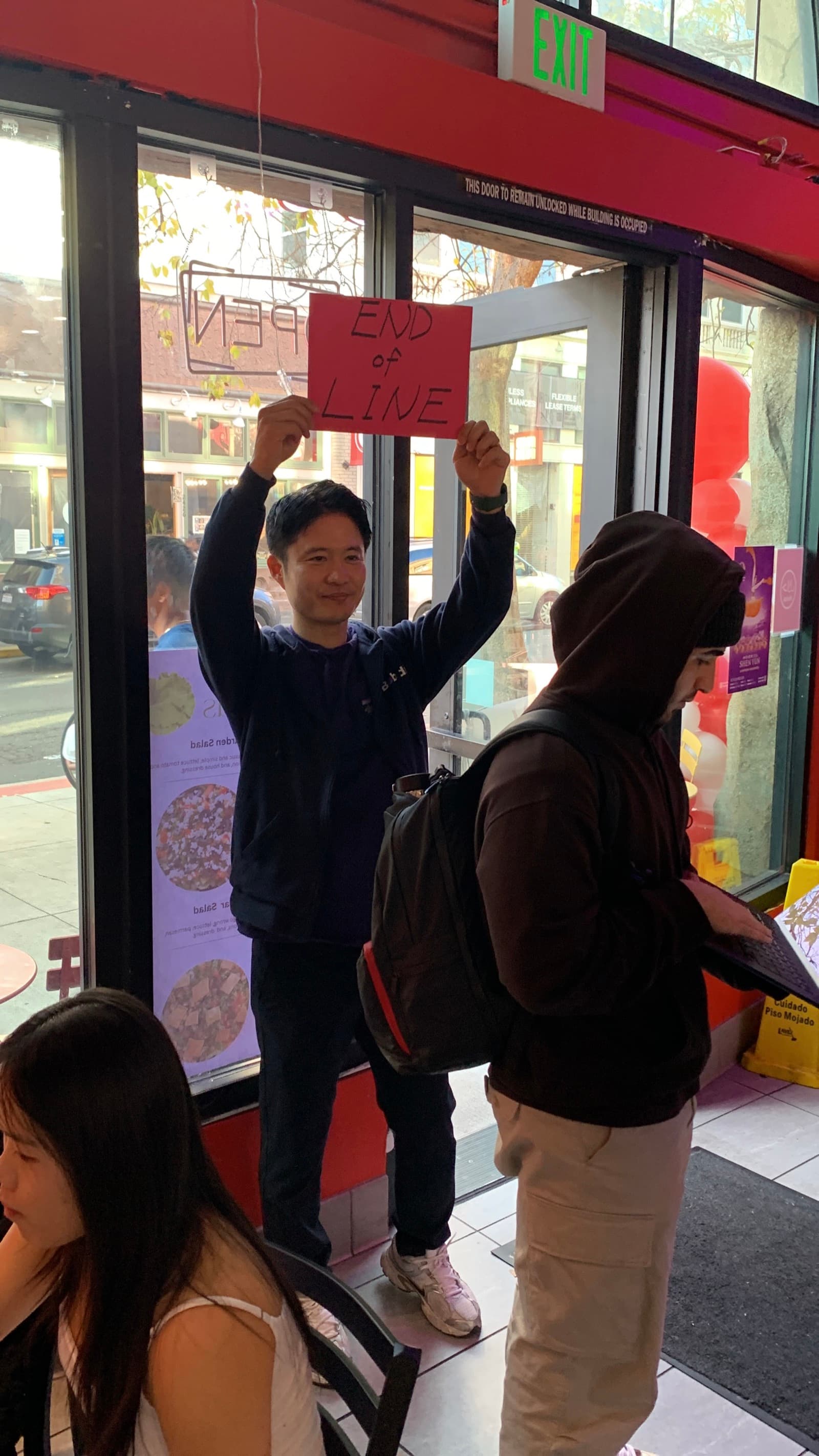
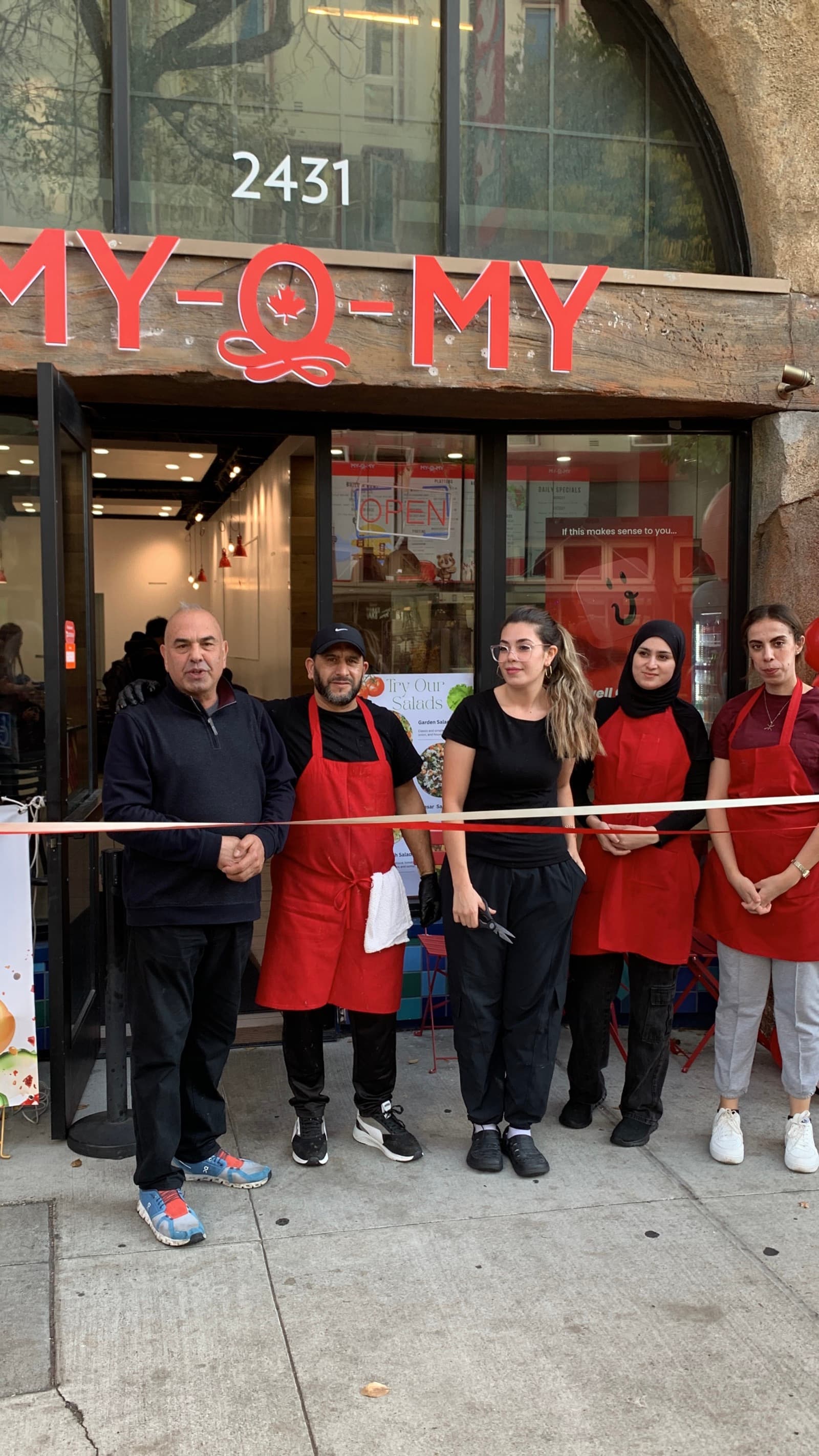
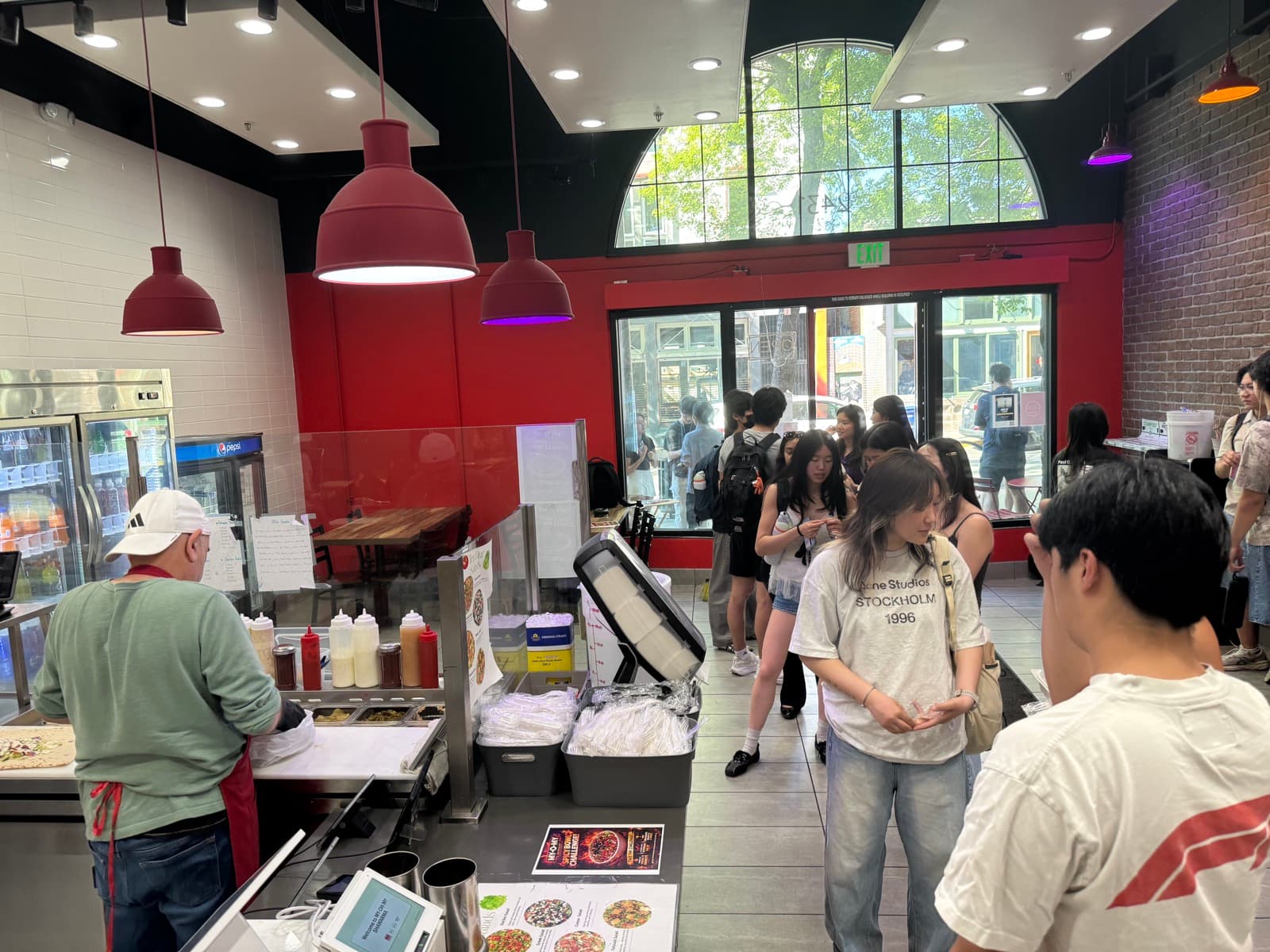
My-O-My is the demonstration case. The team understood the math and ran the playbook on a sustained cadence.
The playbook
What changes when Splash runs repeatedly versus once:
The numbers
Why repeated Splash > one big campaign
A single huge campaign produces a one-night line. Three or four mid-scale parties, well-captured and well-followed-up, produce a customer base that compounds. The first cohort funds the introduction; the second cohort funds the building; by the third or fourth, the restaurant has a self-reinforcing regulars program that doesn't depend on a new campaign each month to survive.
My-O-My's case is the proof of concept for what every restaurant could be doing; if they're willing to treat each Splash event as a customer-list-builder, not a marketing line item.
Build the compounding playbook for your restaurant
The Splash framework only compounds if each event is captured. Upswell runs the capture, the CRM, and the follow-up that turns party attendees into regulars who fill your next event.
Related
Want this growth loop working in your restaurant?
Tell us where growth is stuck. We'll give you a direct answer.
Talk to Upswell