The challenge
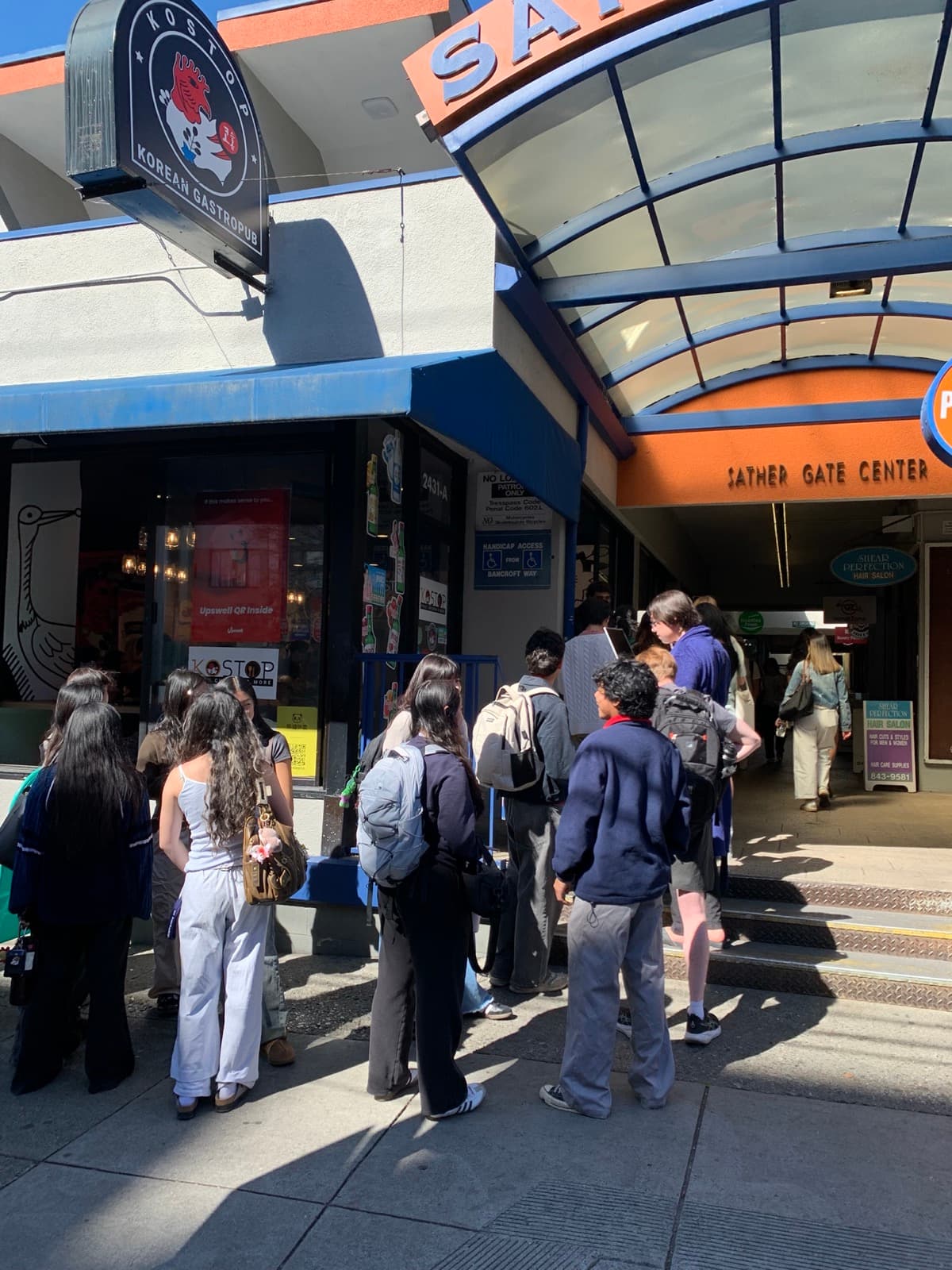
Berkeley is a tough market to break into from outside. Students are loyal to the spots their friends already go, and there's a long list of restaurants in walking distance competing for the same dining decisions. KoStop had the food and the menu, but no presence in the student social graph.
The blank-spreadsheet question was: how do you become the place a Berkeley student takes their friend to for lunch; when neither the student nor the friend has heard of you yet?
The playbook
The Splash Party adapted for a student market means working through the social structures students already trust: clubs, friend groups, and tightly-bound communities. The campaign:
The numbers
Why this kind of moment compounds
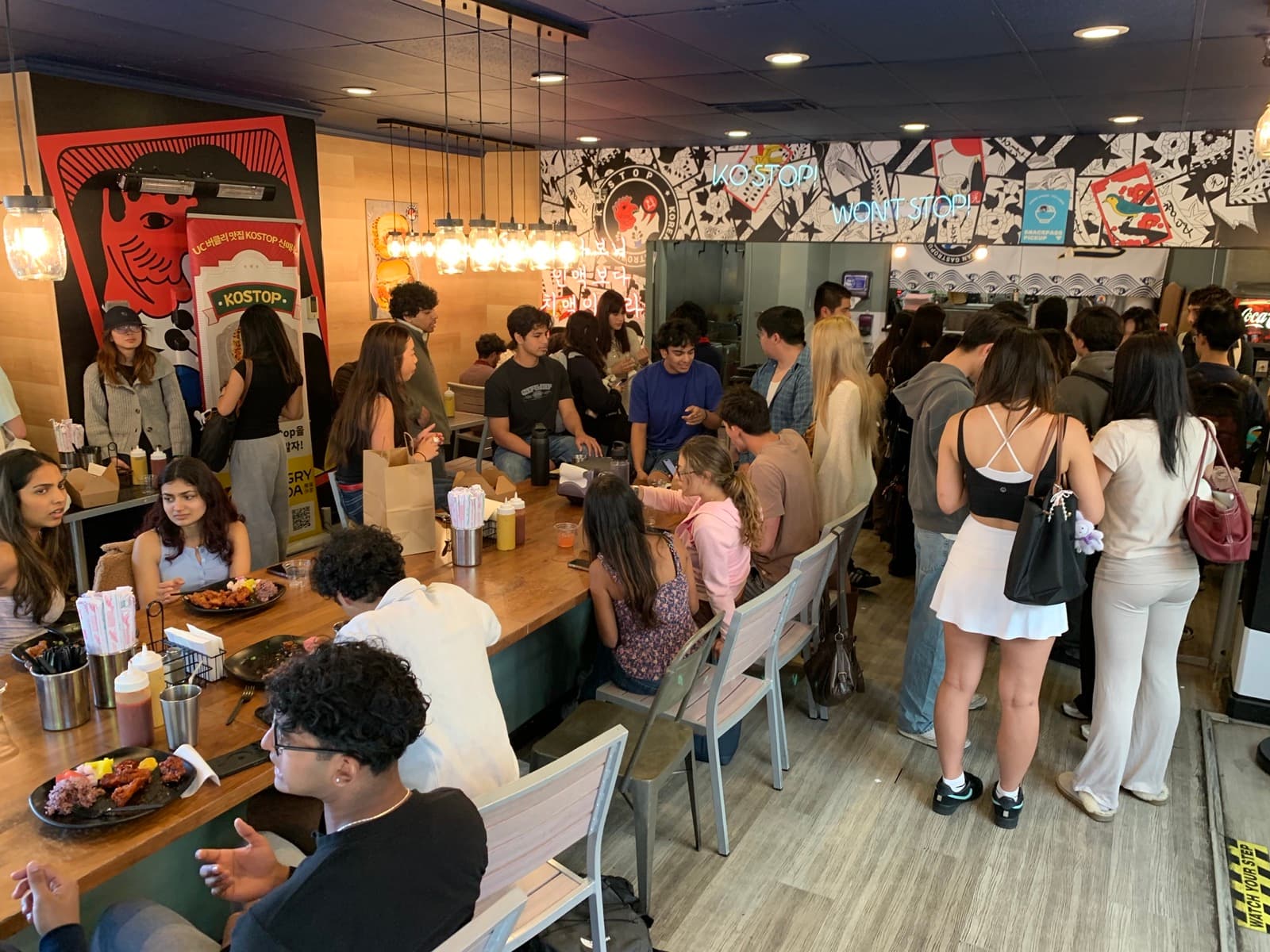
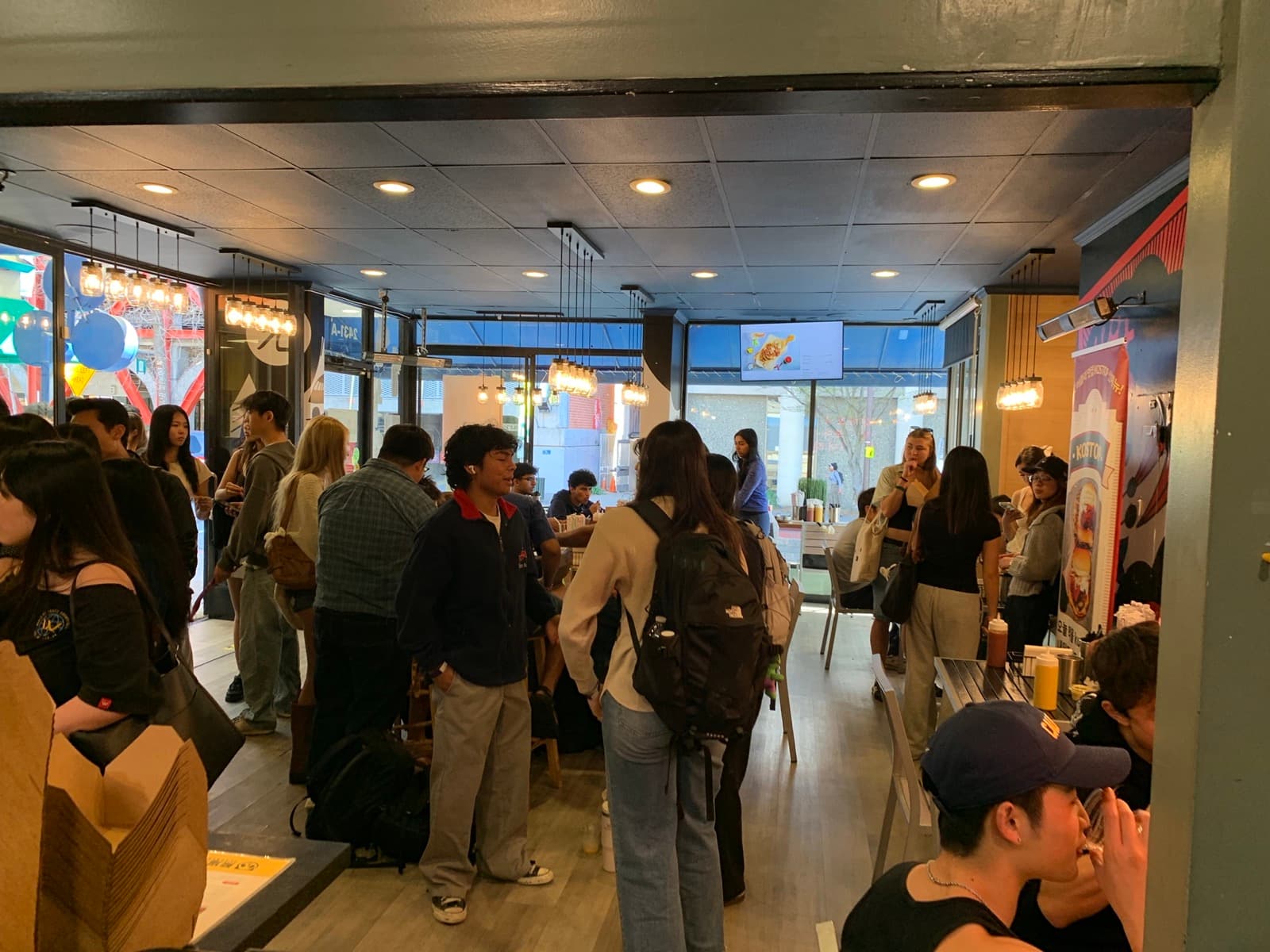
A single Splash Party in a student market isn't a campaign; it's an introduction. Once 70 students from 10 clubs have had a meal at your restaurant, the word-of-mouth network does the rest of the work. The lunch rush after the event isn't accident; it's the predictable second-order effect of seeding a connected community with a memorable shared experience.
The math is straightforward: the cost of bringing 70 known customers in once is far lower than what it would cost to acquire them through generic ads over several months. And the lunch rush they brought back amortizes the campaign cost across every subsequent visit.
Got a community you'd like to break into?
The Splash Party framework adapts to student markets, neighborhood communities, vertical audiences (industry workers, parent groups, fitness communities). Talk to us about your specific market.
Related
Want this growth loop working in your restaurant?
Tell us where growth is stuck. We'll give you a direct answer.
Talk to Upswell